


৫:২৪ পূর্বাহ্ন

রবিবার, ২০ সেপ্টেম্বর , ২০২৬
ads
ads
শিরোনাম
প্রকাশ : জুন ১০, ২০২১ ৯:৩১ পূর্বাহ্ন
Dietary Betaine Improves Bone Strength in Laying Hens – University of Edinburgh
পোলট্রি
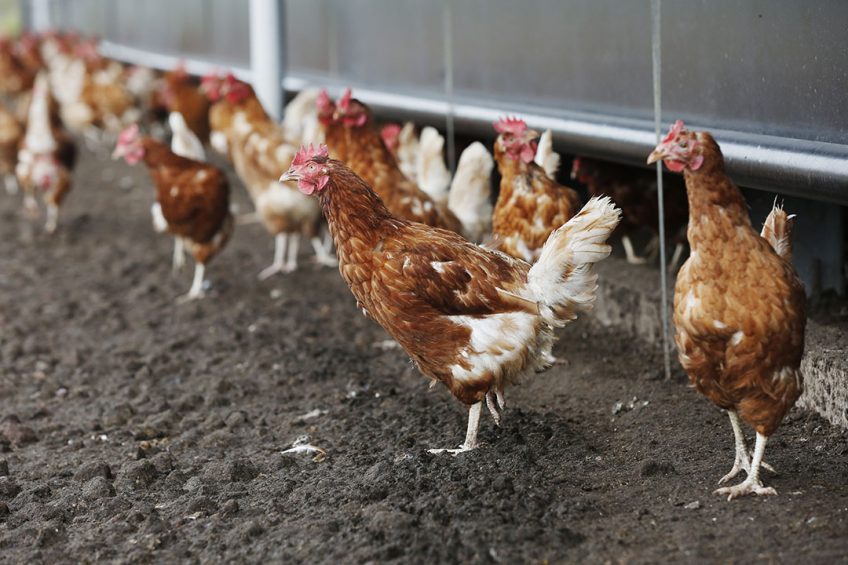
Betaine is a widely used feed additive in the poultry industry, mainly due to its ability to reduce heat stress. New research by the University of Edinburgh has unveiled a twist in the use of betaine – its role in improving bone strength in laying hens.

Bone fractures and other forms of skeletal damage are a challenge for laying hens; the fractures are usually the result of progressive osteoporosis. Osteoporosis in hens is ultimately the result of the physiological changes that occur because of the start of reproductive activity.

Evaluating the effects of dietary betaine on layers

The research was designed to evaluate the effects of dietary betaine on bone quality, plasma homocysteine, and egg production in laying hens. The researchers also compared the effects of dietary betaine to 2 levels of phytase (300 and 1000 FTU/kg). The methyl-donor properties of betaine were key in reducing the concentrations of homocysteine, which makes a greater contribution to bone quality.

The research

Lohmann day-old chicks were used in this study to assess the effects of dietary betaine on bone strength. Dietary betaine was also compared to phytase included at 2 levels (300 FTU/kg and 1000 FTU/kg).

4 diets were used as follows:

  1. Control (0 mg/kg betaine),
  2. Betaine (1000 mg/kg),
  3. Phytase (300 FTU/kg), and
  4. Phytase (1000 FTU/kg).

Measurements of bone strength were taken at 45 and 70 weeks of age.


Bone strength

Previous studies show a negative correlation of homocysteine and bone strength. In this study, the focus was more on the effects of betaine on plasma homocysteine levels and how this contributes to better bone strength. Bone strength was measured in tibia, humerus and keel. Betaine, in this study, significantly lowered the levels of homocysteine, but phytase had no effects on homocysteine concentrations.

Lowering plasma homocysteine

In this study, hens that were fed betaine had lower concentrations of homocysteine than hens not receiving betaine. Hens with higher concentrations of plasma homocysteine had poorer bone strength. This was evident in the tibia and humerus breaking strength, and tibia density, which was higher in birds fed betaine.

The researchers identified the methyl-donor properties of betaine as key in reducing the concentrations of homocysteine, which makes a greater contribution to bone strength. They emphasised the importance of understanding how high levels of homocysteine negatively affect bone strength.

“Homocysteine is involved in the trans-methylation cycle, where it can be re-methylated into methionine through the re-methylation pathway. Betaine acts as a methyl donor to enhance the conversion of homocysteine to methionine, thus influencing the level of homocysteine. There is considerable evidence that high homocysteine levels affect collagen cross-linking and hence contribute to osteoporosis. Collagen crosslinks contribute to the structural strength of the bone. High concentrations of homocysteine affect the enzyme lysyl oxidase, which disrupts stable collagen cross-link formation. In addition, homocysteine increases bone resorption by stimulation of osteoclast formation and activity through increased intracellular reactive oxygen species (ROS) generation. This bone resorption by osteoclasts causes a decline in the content of structural bone and the result is a weaker bone,” the researchers explained.

Tibia and humerus breaking strength

Tibia breaking strength has been shown in several studies to be a reliable measurement of bone strength. It is a bone strength trait with high genetic heritability. Betaine had a statistically significant effect on tibia breaking strength. Hens that were fed betaine had higher tibia strength and tibia density than birds that were not fed betaine. There was no effect of betaine on humerus breaking strength, but there was an effect of age. Humerus strength was higher in the hens at 45 than at 70 weeks of age. There was, however, a significant negative correlation between plasma homocysteine level and humerus breaking strength. What was interesting about the humerus bone is that it was the only bone trait that was correlated with homocysteine.

Keel density

The keel is one of the bones in the laying hen that is most susceptible to injury or fractures. In this study, there was a positive correlation between homocysteine and keel density. While this was counter-intuitive to the researchers’ expectations, they stated, “It could be that the calluses that arise from keel injuries would increase bone density so that weaker keel bones would − somewhat counter-intuitively − have higher density.”

Influence of age

In the current study, betaine had a significant effect on reducing plasma homocysteine concentrations at 45 weeks but had no effect at 70 weeks of age. Tibia and humerus strength were higher in the hens at 45 than at 70 weeks of age. “The effect of betaine through homocysteine may be greater during higher concentrations of bone remodelling, which occurs at a younger age during development and high egg-laying periods. Betaine might be less effective as the concentrations of homocysteine increases, as the concentration of homocysteine was higher at 70 weeks of age compared to 45 weeks,” remarked the researchers.

Performance and egg quality

The researchers’ results suggested that the addition of betaine and phytase in the diet does not significantly affect the development of the birds and their reproductive system – birds from all treatment groups (betaine and phytase groups) had high production and produced eggs of similar quality. However, hens fed 1000 FTU/kg of phytase had higher feed intake than those fed the betaine diet or the phytase at 300 FTU/kg.

Betaine is a potential nutritional strategy for bone strength

It was concluded that reduction in homocysteine through the addition of betaine leads to an increase in bone strength measurements, especially in the tibia and humerus. Betaine is a potential nutritional strategy for bone strength as it intervenes in the trans-methylation cycle, resulting in lower plasma homocysteine levels.

Betaine does not affect egg quality or production

It is also worth noting that the addition of dietary betaine improves bone strength without affecting egg quality or production. As a result, betaine could be used as an intervention tool to alleviate welfare concerns in laying hens. It is also worth remembering that the variations in bone strength observed in laying hens are caused by several factors.

The 4 broad areas (excluding genetics) that could explain variation in and/or increased fractures, independent of egg production, are:

  1. the age at first egg,
  2. late ossification of the keel,
  3. predisposing bone diseases, and
  4. inactivity leading to poor bone health.

শেয়ার করুন

প্রকাশ : জুন ৯, ২০২১ ৬:০৬ অপরাহ্ন
পোল্ট্রির ডিম, মুরগি ও বাচ্চার বুধবার (০৯ জুন) সর্বশেষ পাইকারি দাম
পোলট্রি

পোল্ট্রি পণ্য (ডিম ও মুরগীর) আজকের পাইকারী মূল্য(টাকা) নিন্মরুপ:-
তারিখ:০৯/০৬/২০২১ ইং

★এখানে বর্ণিত পোল্ট্রি পণ্যের মূল্য মূলত : পোল্ট্রি খামারিদের প্রাপ্ত মূল্য।

ইউনাইটেড এগ(সেল পয়েন্ট)
লাল ডিম=৮.০০
সাদা ডিম=৭.৩০
ডাম্পিং মার্কেট=
লাল(বাদামী) ডিম=৭.৪৫
সাদা ডিম=৬.৬৫
গাজীপুর:-
লাল(বাদামী)ডিম=৭.৪০
সাদা ডিম=৬.৬০
ব্রয়লার মুরগী=১০৫/কেজি
কালবার্ড লাল=২০৫/কেজি
কালবার্ড সাদা=/কেজি
সোনালী মুরগী=১৬০/কেজি
বাচ্চার দর:-
লেয়ার লাল=৩৭-৩৮
লেয়ার সাদা=২৭-২৮
ব্রয়লার=২০-২২
ডায়মন্ডঃ-
লাল(বাদামী) বড় ডিম=
লাল(বাদামী) মাঝারি ডিম=
চট্টগ্রাম:-
লাল(বাদামী) ডিম=৭.৬০
সাদা ডিম=৭.২০
ব্রয়লার মুরগী=১০৪/কেজি
কালবার্ড লাল=২০০/কেজি
সোনালী মুরগী=১৮৫/কেজি
বাচ্চার দর:-
লেয়ার লাল=৩০
লেয়ার সাদা=১৬
ব্রয়লার=১৯-২০
রাজশাহী:-
লাল(বাদামী) ডিম=৭.৪০
সাদা ডিম=৬.০০
ব্রয়লার মুরগী =/কেজি
সোনালী =/কেজি
খুলনা:-
লাল(বাদামী) ডিম=৭.৮০
সাদা ডিম=
বরিশাল:-
লাল(বাদামী) ডিম=৭.৩০
ব্রয়লার মুরগী=/কেজি
কালবার্ড লাল=২১০/কেজি
সোনালী মুরগী=১৬০/কেজি
বাচ্চার দর:-
লেয়ার লাল =৩০
লেয়ার সাদা =
ব্রয়লার=১৮-২২
ময়মনসিংহ:-
লাল(বাদামী) ডিম=৭.৫০
ব্রয়লার মুরগী=১০৫/কেজি
সোনালী মুরগী=১৭০/কেজি
সিলেট=
লাল(বাদামী) ডিম=৭.৬০
ব্রয়লার মুরগী=/কেজি
কাজী(সিলেট) :-
লাল(বাদামী) ডিম=৭.৮১

রংপুর:-
লাল(বাদামী) ডিম=৭.৪০
কাজী(রংপুর) :-
লাল(বাদামী) ডিম=৭.৪২
বাচ্চার দর:-
লেয়ার লাল =৩২
ব্রয়লার=২২
সোনালী হাইব্রিড=১৫
সোনালী রেগুলার=০৯
বগুড়া :
লাল(বাদামী)ডিম=৭.৭৫
ব্রয়লার মুরগী=১০৫/কেজি
সোনালী মুরগী =১৫০/কেজি
টাংগাইল :-
লাল(বাদামী) ডিম=৭.৩৫
সাদা ডিম=৬.৪৫
ব্রয়লার মুরগী=১০৩/১০৭কেজি
সোনালী মুরগী=১৬০/কেজি
কিশোরগঞ্জ:-
লাল(বাদামী) ডিম=৭.৪০
ব্রয়লার মুরগী=/কেজি
নরসিংদী :-
লাল(বাদামী) ডিম=৭.৪০
সিরাজগঞ্জ :-
লাল(বাদামী) ডিম=৭.৫০
ব্রয়লার মুরগী=১০০/কেজি
কালবার্ড লাল=২১০/কেজি
সোনালী মুরগী=১৫৫/কেজি
ফরিদপুর :-
লাল(বাদামী) ডিম=৭.৬৫
কাজী(ফরিদপুর) :-
লাল(বাদামী) ডিম=৭.৮৫
ব্রয়লার মুরগী=১০০/কেজি
লেয়ার মুরগী=২০০/কেজি
সোনালী মুরগী=/কেজি
পাবনা :-
লাল(বাদামী)ডিম=৭.৪০
সাদা ডিম=৭.১০
নোয়াখালী:-
লাল(বাদামী)ডিম=৭.৫০
ব্রয়লার মুরগী=১০৫/কেজি
কালবার্ড লাল=১৯০/কেজি
সোনালী মুরগী=১৬০/কেজি
বাচ্চার দর:-
লেয়ার লাল =৩৪
লেয়ার সাদা =
ব্রয়লার=২০
পিরোজপুর (স্বরুপকাঠী:-
লাল(বাদামী) ডিম=৭.৩০
সাদা ডিম=
ব্রয়লার মুরগী =/কেজি
যশোর :-
লাল(বাদামী) ডিম=৮.০০
কুমিল্লা:-
লাল (বাদামী) ডিম=৭.৫০
ব্রয়লার মুরগী=১০৭/ কেজি
কালবার্ড লাল=১৯০/কেজি
সোনালী মুরগী=১৬০/কেজি
কক্সবাজার :-
লাল (বাদামী) ডিম=৭.৩০
সাদা ডিম=৬.৯০

একটি যৌথ উদ্যোগ: বাংলাদেশ পোল্ট্রি খামার রক্ষা জাতীয় পরিষদ (বি.পি.কে.আর.জে.পি) এবং পোল্ট্রি প্রফেশনাল’স বাংলাদেশ(পিপিবি)।

ধন্যবাদান্তে
মো:শিমুল হক রানা
যোগাযোগ:০১৮৫৫৯৪৪২৭০

গতকালকের বাজার দর জানতে ক্লিক করুন এখানে

শেয়ার করুন

প্রকাশ : জুন ৯, ২০২১ ৫:০৮ অপরাহ্ন
ব্রয়লার মুরগি পালনে খামারিদের করণীয়
পোলট্রি

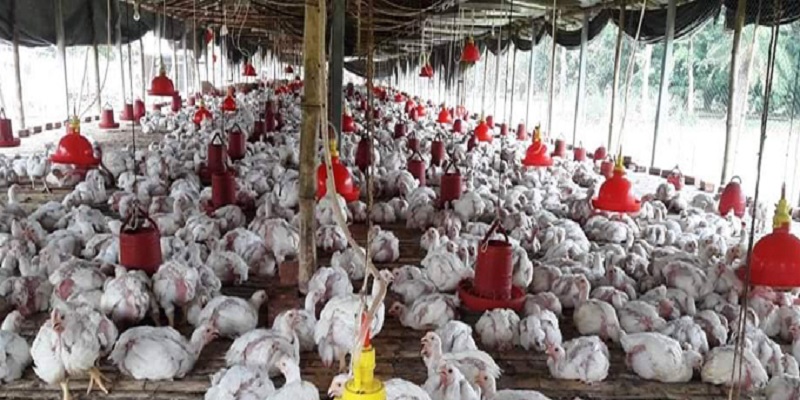
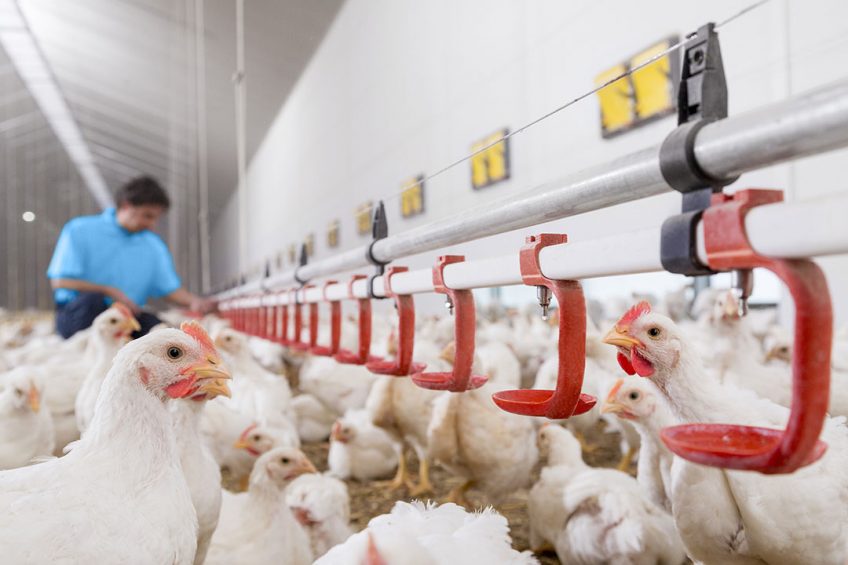
বর্তমানে আমাদের দেশে মাংসের চাহিদা পূরনে গড়ে উঠেছে অসংখ্য ব্রয়লার মুরগির খামার। আর ক্রেতার কাছেও ব্রয়লারের রয়েছে ব্যাপক চাহিদা। এর মাধ্যমে খামারিরাও হচ্ছেন অর্থনৈতিকভাবে লাভবান। তবে অধিকাংশ খামারিরা অন্যের দেখাদেখি খামার গড়ে তোলাতে খামারের মূল অনেক বিষয় সম্পর্কে জ্ঞাত না। যার কারণে খামারে চাহিদা মোতাবেক উন্নতি করতে না পেরে হতাশ হয়ে যাচ্ছেন।

ব্রয়লার মুরগি পালনে খামারিদের যা করতে হবে:
প্রথম খামারে প্রতিদিন নিয়ম মোতাবেক খাবার দিতে হবে। আকষ্মিক খাবার কম- বেশি দেয়া যাবে না। তাতে করে মুরগির সমস্যা দেখা দিতে পারে। এছাড়া নিয়মিত মুরগির ওজন মাপতে হবে। যদি ওজনের কোন তারতম্য চোখে পড়ে সাথে সাথে প্রয়োজনী ব্যবস্থা গ্রহণ করতে হবে।

দ্বিতীয়ত, খামারে কোনক্রমেই মিশ্র মুরগি পালন করা যাবে না। একটি খামারে একই জাতরে মুরগি পালন করতে হবে। এক খামারে বহুজাতের মুরগি পালন করলে বহুরক সমস্যার সৃষ্টি হতে পারে।

তৃতীয়ত, খামারে মুরগির পুষ্টিগুণ ধরে রাখার জন্য নিয়মিত এবং সঠিক পরিমাপে খাবার পরিবেশন করতে হবে। খাদ্য প্রদানের পূর্বে অবশ্যই খাদ্যের পাত্র যাতে পরিষ্কার ও জীবাণুমুক্ত থাকে সেটি খেয়াল রাখতে হবে। ব্রয়লার মুরগির খামারে প্রয়োজনীয় আলোর ব্যবস্থা করে দিতে। ব্রয়লারের খামারে কোনভাবেই আলোর সংকট রাখা যাবে না। এতে মুরগির শারীরিক বৃদ্ধিসহ নানাবিধ সমস্যা দেখা দিতে পারে।

এছাড়া, ব্রয়লার মুরগির খামারে প্রতিদিনের আয় ও ব্যয়ের হিসাব লিখে রাখতে হবে। কোন কারণে ব্যয় বেড়ে গেলে তা কমিয়ে আনা যাবে। এছাড়াও খামারকে লাভজনক করাও সহজ হয়ে যাবে।

শেয়ার করুন

প্রকাশ : জুন ৯, ২০২১ ১২:২৯ অপরাহ্ন
How Mycotoxins Disrupt Poultry Gut Health
পোলট্রি

Mycotoxicosis is a condition observed in animals upon the ingestion of different concentrations of mycotoxins in the complete feed. Although mycotoxins affect most organs and systems in livestock and poultry, 2 systems that can be affected by many mycotoxins even at low concentrations are the immune system and the gastro-intestinal tract (GIT, gut). What are effective mitigation strategies that go beyond binders?

Mycotoxins, a diverse group of toxic secondary metabolites of fungi, are a world-wide challenge in the animal industry due to increased global trading of raw materials, as well as climate change and evolving agricultural practices. Although animals can be exposed to more than 600 different mycotoxins, most research to date has focused on 6 groups of mycotoxins (mentioned in decreasing order of sensitivity); ochratoxins (OTA), T-2 toxin, aflatoxins (AF), deoxynivalenol (DON), fumonisins and zearalenone (ZEN). Emerging mycotoxins, such as moniliformin, cyclopiazonic acid (CPA), are also known to cause toxicity in poultry. While mycotoxins affect most organs and systems in livestock and poultry, 2 systems that can be affected by many mycotoxins, even at low concentrations, are the immune system and the gastro-intestinal tract (GIT).

The negative influence of mycotoxins on gut health

On 12 May 2021 Trouw Nutrition, the animal health division of Nutreco, invited Prof. em. Dr Johanna Fink-Gremmels from Utrecht University to discuss the negative effects of mycotoxins on gut health as part of its global webinar series. A world-renowned authority on this subject, Dr Fink-Gremmels explained why the intestinal tract is the first site of contact for mycotoxins and intestinal epithelial cells are the first target cells for mycotoxins. Intestinal epithelial cells create the essential barrier between gut lumen and body tissue. Intact tight junctions are very important to seal the space between epithelial cells so that unwanted particles, pathogens, and toxins are not allowed to enter blood circulation. The efficient absorption and utilisation of nutrients by the bird also requires intact epithelial cells. However, most mycotoxins have been found to exert detrimental effects on the several functions of the GIT.

Dr Fink-Gremmels provided practical examples wherein mycotoxins such as DON increased trans-epithelial transfer of Salmonella typhimurium. She went on to explain how mycotoxin-induced impairment of intestinal integrity can trigger a cascade of events leading to an acceleration of the inflammatory response by endotoxins, such as lipopolysaccharides (LPS), and how these processes affect poultry health and performance. She concluded that among the different gut health parameters, tight junctions are the primary target for multiple mycotoxins and that the analysis of tight junction protein expression and functions can serve together with histo-morphological studies on intestinal tissue samples as biomarkers to assess successful intervention or strategies.

Mitigating the mycotoxin risk to poultry gut health – beyond binding properties

Dr Swamy Haladi, Global Programme Manager for Mycotoxin Risk Management at Trouw Nutrition, discussed in detail effective means to manage the negative effects of mycotoxins on gut health in poultry. Although inorganic adsorbents such as bentonites can effectively bind aflatoxins, ergot toxins and bacterial (endo) toxins in the intestine, they only have moderate binding to T-2 toxin, ZEA and OTA. Even harder to bind are DON and fumonisins. Therefore, mycotoxin binding strategies, hence, may not fully support and protect birds without other interventions. There is a need for ingredients capable of improving immune system and gut health to address the challenges posed by mycotoxins. On top of this, animal feed is usually contaminated with multiple mycotoxins, adding another level of complexity. Producers are looking for a broad-spectrum solution to protect their flocks and safeguard their business.

Binding multiple mycotoxins

Toxo-XL, a broad-spectrum mycotoxin risk management product from Trouw Nutrition, integrates 3 science-based modes of action (3D Approach). First, it effectively reduces mycotoxin entry into the bird’s blood circulation by high quality bentonites (smectite-based). Second, it maintains intestinal epithelial integrity with the help of selected glucose biopolymers of yeast origin. Intestinal epithelial integrity, more specifically the tight junctions, which are multi-protein complexes, inhibits the intercellular transport of toxins and pathogens into the blood circulation. In a broiler chicken study, Toxo-XL was able to reverse the negative impact of DON on the ratio of villus height to crypt depth at day 35 (Figure 1). Lastly, Toxo-XL can modulate the immune system with the help of patented purified beta-glucans. What does in vivo poultry research say about this strategy? These 3 modes of actions were shown to enhance body weight gain, egg production, eggshell quality, and feed efficiency in several in vivo validation studies conducted both in commercial broiler chickens and laying hens. On an average 3.5:1 ROI was realised in such trials indicating the practical application of Toxo-XL to enhance the bottom line of poultry operations.

শেয়ার করুন

প্রকাশ : জুন ৮, ২০২১ ৭:১৩ অপরাহ্ন
পোল্ট্রির ডিম, মুরগি ও বাচ্চার মঙ্গলবার (০৮ জুন) সর্বশেষ পাইকারি দাম
পোলট্রি

পোল্ট্রি পণ্য (ডিম ও মুরগীর) আজকের পাইকারী মূল্য(টাকা) নিন্মরুপ:-
তারিখ:০৮/০৬/২০২১ ইং

★এখানে বর্ণিত পোল্ট্রি পণ্যের মূল্য মূলত : পোল্ট্রি খামারিদের প্রাপ্ত মূল্য।

ইউনাইটেড এগ(সেল পয়েন্ট)
লাল ডিম=৮.০০
সাদা ডিম=৭.২০

ডাম্পিং মার্কেট=
লাল(বাদামী) ডিম=৭.৪৫
সাদা ডিম=৬.৫৫

গাজীপুর:-
লাল(বাদামী)ডিম=৭.৪০
সাদা ডিম=৬.৫০
ব্রয়লার মুরগী=১০২/কেজি
কালবার্ড লাল=২০৫/কেজি
কালবার্ড সাদা=/কেজি
সোনালী মুরগী=১৬০/কেজি
বাচ্চার দর:-
লেয়ার লাল =৩০-৩৫
লেয়ার সাদা=
ব্রয়লার=২০-২২

ডায়মন্ডঃ-
লাল(বাদামী) বড় ডিম=
লাল(বাদামী) মাঝারি ডিম=

চট্টগ্রাম:-
লাল(বাদামী) ডিম=৭.৪০
সাদা ডিম=৭.০০
ব্রয়লার মুরগী=১০৪/কেজি
কালবার্ড লাল=২০০/কেজি
সোনালী মুরগী=১৭৫/কেজি
বাচ্চার দর:-
লেয়ার লাল=২৮
লেয়ার সাদা=১৬
ব্রয়লার=২০

রাজশাহী:-
লাল(বাদামী) ডিম=৭.৪০
সাদা ডিম=৬.০০
ব্রয়লার মুরগী =/কেজি
সোনালী =/কেজি

খুলনা:-
লাল(বাদামী) ডিম=৭.৮০
সাদা ডিম=

বরিশাল:-
লাল(বাদামী) ডিম=৭.৩০
ব্রয়লার মুরগী=/কেজি
কালবার্ড লাল=২১০/কেজি
সোনালী মুরগী=১৬০/কেজি
বাচ্চার দর:-
লেয়ার লাল =৩০
লেয়ার সাদা =
ব্রয়লার=১৮-২২

ময়মনসিংহ:-
লাল(বাদামী) ডিম=৭.৫০
ব্রয়লার মুরগী=১০০/কেজি
সোনালী মুরগী=১৭০/কেজি

সিলেট=
লাল(বাদামী) ডিম=৭.৪৫
ব্রয়লার মুরগী=/কেজি
কাজী(সিলেট) :-
লাল(বাদামী) ডিম=৭.৬৬

রংপুর:-
লাল(বাদামী) ডিম=৭.৪০
কাজী(রংপুর) :-
লাল(বাদামী) ডিম=৭.৪৫
বাচ্চার দর:-
লেয়ার লাল =৩৬
ব্রয়লার=২২
সোনালী হাইব্রিড=১৫
সোনালী রেগুলার=০৯

বগুড়া :
লাল(বাদামী)ডিম=৭.৪৫
ব্রয়লার মুরগী=১০০/কেজি
সোনালী মুরগী =১৫০/কেজি

টাংগাইল :-
লাল(বাদামী) ডিম=৭.৩৫
সাদা ডিম=৬.৩৫
ব্রয়লার মুরগী=১০০/কেজি
সোনালী মুরগী=১৬০/কেজি

কিশোরগঞ্জ:-
লাল(বাদামী) ডিম=৭.৪০
ব্রয়লার মুরগী=/কেজি

নরসিংদী :-
লাল(বাদামী) ডিম=৭.৪০

সিরাজগঞ্জ :-
লাল(বাদামী) ডিম=৭.৫০
ব্রয়লার মুরগী=১০০/কেজি
কালবার্ড লাল=২১০/কেজি
সোনালী মুরগী=১৫৫/কেজি

ফরিদপুর :-
লাল(বাদামী) ডিম=৭.৬০
কাজী(ফরিদপুর) :-
লাল(বাদামী) ডিম=৭.৮১
ব্রয়লার মুরগী=১০০/কেজি
লেয়ার মুরগী=২০০/কেজি
সোনালী মুরগী=/কেজি

পাবনা :-
লাল(বাদামী)ডিম=৭.৪০
সাদা ডিম=৭.১০

নোয়াখালী:-
লাল(বাদামী)ডিম=৭.৪০
ব্রয়লার মুরগী=১০৪/কেজি
কালবার্ড লাল=১৯০/কেজি
সোনালী মুরগী=১৫৫/কেজি
বাচ্চার দর:-
লেয়ার লাল =৩৪
লেয়ার সাদা =
ব্রয়লার=২২

পিরোজপুর (স্বরুপকাঠী:-
লাল(বাদামী) ডিম=৭.৩০
সাদা ডিম=
ব্রয়লার মুরগী =/কেজি

যশোর :-
লাল(বাদামী) ডিম=৮.০০

কুমিল্লা:-
লাল (বাদামী) ডিম=৭.৪০
ব্রয়লার মুরগী=১০৪/ কেজি
কালবার্ড লাল=১৯০/কেজি
সোনালী মুরগী=১৬০/কেজি

কক্সবাজার :-
লাল (বাদামী) ডিম=৭.১০
সাদা ডিম=৬.৭০

একটি যৌথ উদ্যোগ: বাংলাদেশ পোল্ট্রি খামার রক্ষা জাতীয় পরিষদ (বি.পি.কে.আর.জে.পি) এবং পোল্ট্রি প্রফেশনাল’স বাংলাদেশ(পিপিবি)।

ধন্যবাদান্তে
মো:শিমুল হক রানা
যোগাযোগ:০১৮৫৫৯৪৪২৭০

গতকালকের বাজার দর জানতে ক্লিক করুন এখানে

শেয়ার করুন

প্রকাশ : জুন ৮, ২০২১ ৩:১৪ অপরাহ্ন
Key Adverse Effects of Mycotoxins on Gut Health
পোলট্রি

  • The Disruption of Intestinal Barrier Function
  • Increased Intestinal Permeability
  • Disruption of Tight Junction Protein Assembly
  • Altered Intestinal Nutrient Absorption
  • Decreased Villi Height
  • Necrotic Lesions in GIT
  • Poor Intestinal Cell Proliferation and Cell Death
  • Modulation of Intestinal Microbiota
  • Decreased Mucin Production
  • Compromised Intestinal Immunity
শেয়ার করুন

প্রকাশ : জুন ৭, ২০২১ ৮:০০ অপরাহ্ন
পোল্ট্রির ডিম, মুরগি ও বাচ্চার সোমবার (০৭ জুন) সর্বশেষ পাইকারি দাম
পোলট্রি

পোল্ট্রি পণ্য (ডিম ও মুরগীর) আজকের পাইকারী মূল্য(টাকা) নিন্মরুপ:-
তারিখ:০৭/০৬/২০২১ ইং

★এখানে বর্ণিত পোল্ট্রি পণ্যের মূল্য মূলত : পোল্ট্রি খামারিদের প্রাপ্ত মূল্য।

ইউনাইটেড এগ(সেল পয়েন্ট)
লাল ডিম=৭.৭০
সাদা ডিম=৬.৭০

ডাম্পিং মার্কেট=
লাল(বাদামী) ডিম=৭.১৫
সাদা ডিম=৬.১৫

গাজীপুর:-
লাল(বাদামী)ডিম=৭.২০
সাদা ডিম=৬.২০
ব্রয়লার মুরগী=১০২/কেজি
কালবার্ড লাল=২০৫/কেজি
কালবার্ড সাদা=/কেজি
সোনালী মুরগী=১৬০/কেজি
বাচ্চার দর:-
লেয়ার লাল =২৮-৩০
লেয়ার সাদা=
ব্রয়লার=২০-২২

ডায়মন্ডঃ-
লাল(বাদামী) বড় ডিম=
লাল(বাদামী) মাঝারি ডিম=

চট্টগ্রাম:-
লাল(বাদামী) ডিম=৭.৩০
সাদা ডিম=৬.৯০
ব্রয়লার মুরগী=১০৪/কেজি
কালবার্ড লাল=২০০/কেজি
সোনালী মুরগী=১৭৫/কেজি
বাচ্চার দর:-
লেয়ার লাল=২৮
লেয়ার সাদা=১৬
ব্রয়লার=২০-২১

রাজশাহী:-
লাল(বাদামী) ডিম=৭.৩০
সাদা ডিম=৬.০০
ব্রয়লার মুরগী =/কেজি
সোনালী =/কেজি

খুলনা:-
লাল(বাদামী) ডিম=৭.৮০
সাদা ডিম=

বরিশাল:-
লাল(বাদামী) ডিম=৭.০০
ব্রয়লার মুরগী=১১০/কেজি
কালবার্ড লাল=২১০/কেজি
সোনালী মুরগী=১৬০/কেজি
বাচ্চার দর:-
লেয়ার লাল =৩০
লেয়ার সাদা =
ব্রয়লার=১৮-২২

ময়মনসিংহ:-
লাল(বাদামী) ডিম=৭.২০
ব্রয়লার মুরগী=১০০/কেজি
সোনালী মুরগী=১৭০/কেজি

সিলেট=
লাল(বাদামী) ডিম=
ব্রয়লার মুরগী=/কেজি
কাজী(সিলেট) :-
লাল(বাদামী) ডিম=

রংপুর:-
লাল(বাদামী) ডিম=৭.২০
কাজী(রংপুর) :-
লাল(বাদামী) ডিম=৭.১৭
বাচ্চার দর:-
লেয়ার লাল =৩৪
ব্রয়লার=২২
সোনালী হাইব্রিড=১৭
সোনালী রেগুলার=০৯

বগুড়া :
লাল(বাদামী)ডিম=৭.৩০
ব্রয়লার মুরগী=১০৫/কেজি
সোনালী মুরগী =১৬০/কেজি

টাংগাইল :-
লাল(বাদামী) ডিম=৭.১৫
সাদা ডিম=৫.৯৫
ব্রয়লার মুরগী=/কেজি
সোনালী মুরগী =/কেজি

কিশোরগঞ্জ:-
লাল(বাদামী) ডিম=৭.১০
ব্রয়লার মুরগী=/কেজি

নরসিংদী :-
লাল(বাদামী) ডিম=৭.১৫

সিরাজগঞ্জ :-
লাল(বাদামী) ডিম=
ব্রয়লার মুরগী=/কেজি
কালবার্ড লাল=/কেজি
সোনালী মুরগী=/কেজি

ফরিদপুর :-
লাল(বাদামী) ডিম=৭.৩৫
কাজী(ফরিদপুর) :-
লাল(বাদামী) ডিম=৭.৫৫
ব্রয়লার মুরগী=১০৫/কেজি
লেয়ার মুরগী=২০০/কেজি
সোনালী মুরগী=/কেজি

পাবনা :-
লাল(বাদামী)ডিম=৭.১৫
সাদা ডিম=৬.৮৫

নোয়াখালী:-
লাল(বাদামী)ডিম=৭.৩০
ব্রয়লার মুরগী=১০৫/কেজি
কালবার্ড লাল=১৯০/কেজি
সোনালী মুরগী=১৬০/কেজি
বাচ্চার দর:-
লেয়ার লাল =৩০
লেয়ার সাদা =
ব্রয়লার=১৮-২১

পিরোজপুর (স্বরুপকাঠী:-
লাল(বাদামী) ডিম=৭.০০
সাদা ডিম=
ব্রয়লার মুরগী =/কেজি

যশোর :-
লাল(বাদামী) ডিম=৮.০০

কুমিল্লা:-
লাল (বাদামী) ডিম=৭.২০
ব্রয়লার মুরগী=১০৪/ কেজি
কালবার্ড লাল=১৯০/কেজি
সোনালী মুরগী=১৬০/কেজি

কক্সবাজার :-
লাল (বাদামী) ডিম=৬.৫০
সাদা ডিম=৫.৬০

একটি যৌথ উদ্যোগ: বাংলাদেশ পোল্ট্রি খামার রক্ষা জাতীয় পরিষদ (বি.পি.কে.আর.জে.পি) এবং পোল্ট্রি প্রফেশনাল’স বাংলাদেশ(পিপিবি)।

ধন্যবাদান্তে
মো:শিমুল হক রানা
যোগাযোগ:০১৮৫৫৯৪৪২৭০

গতকালকের বাজার জানতে ক্লিক করুন এখানে

শেয়ার করুন

প্রকাশ : জুন ৭, ২০২১ ১২:২১ পূর্বাহ্ন
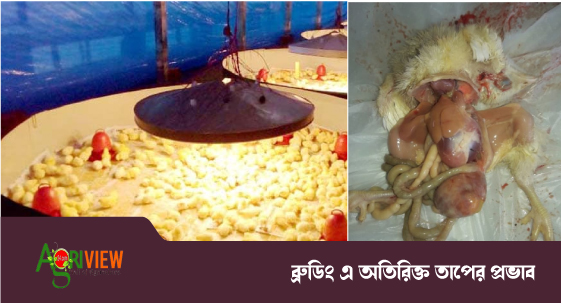
ব্রুডিং এ অতিরিক্ত তাপের প্রভাব
পোলট্রি

ডাঃ শুভ দত্ত:আমরা সবাই জানি, ব্রুডিং এ তাপের পরিমান কম হলে বাচ্চার কুসুমথলি ঠিক মত এ্যবজর্ব হয় না বা সাধারন ভাষায় বাচ্চার নাভী শুকায় না। কিন্তু আমরা অনেকেই হয়তো এটা জানি না যে, ব্রুডিং এ তাপের পরিমান বেশি হলেও বাচ্চার কুসুমথলি এ্যবজর্ব হয় না বা নাভী শুকায় না। ঠিক এমন ঘটনাই কয়েকদিন ধরে বেশ কয়েকটি খামারে দেখতে পেয়েছি। এতো গরমের মাঝে ব্রুডিং করেও বাচ্চার নাভী শুকাচ্ছে না বা কুসুমথলি থেকে যাচ্ছে। ফলস্বরূপ বাচ্চাগুলোর রোগ প্রতিরোধ ক্ষমতা কমে যাচ্ছে। মুরগীগুলোর ঠিক মত ওজন আসছে না। পাশাপাশি মুরগী ছোট বড় হয়ে যাচ্ছে।
এখানে যে ঘটনাটা ঘটছে সেটা সহজ ভাষায় ব্যাখ্যা করলে দাড়ায়-
অতিরিক্ত তাপ বা গরমের ফলে বাচ্চা ঠিক মত খাদ্য খাচ্ছে না বা পরিমানে কম খাদ্য খাচ্ছে।
⬇️
যার ফলে বাচ্চার ইনটেস্টাইনের একটিভিটি কম হচ্ছে বা ইনটেস্টাইনাল ফ্লো কম হচ্ছে।
⬇️
যার ফলে কুসুমথলি থেকে বিভিন্ন বিভিন্ন পুষ্টি উপাদান ও ম্যাটার্নাল এন্টিবডি সহজে ইনটেস্টাইনে আসতে পারছে না এবং শরীরে শোষিত হতে পারছে না।
⬇️
ফলে বার্ডে ইমিউন ডিফিসিয়েন্সি ও ম্যালনিউট্রেশন দেখা দিচ্ছে।
⬇️
ফলে বার্ড সহজে বিভিন্ন রোগে আক্রান্ত হচ্ছে। ওজন কম আসছে ও মুরগী ছোট-বড় হয়ে যাচ্ছে।

করনীয়

১. একটা কথা বলা হয় যে, “ব্রুডিং এ ১ ডিগ্রী সেলসিয়াল কম তাপমাত্রায় চেয়ে ১ ডিগ্রী সেলসিয়াস বেশি তাপমাত্রা অধিকতর ক্ষতিকর। তাই গরম কালে ব্রুডিং এর ক্ষেত্রে লক্ষ্য রাখতে হবে যেন ব্রুডার এর তাপমাত্রা ৯০ ডিগ্রী ফারেনহাইটের বেশী হয়ে না যায়। ইনভাইরনমেন্টাল টেম্পারেচার যথেষ্ঠ পরিমানে থাকলে ব্রুডিং এ এক্সট্রা তাপ দেয়া থেকে বিরত থাকতে হবে।
২. গরমকালে ব্রুডিং এ যথেষ্ঠ ভেন্টিলেশনের ব্যবস্থা রাখতে হবে। সঠিক ভেন্টিলেশন বা বায়ু প্রবাহের ব্যবস্থা ঘরের অতিরিক্ত তাপ বের করে দিয়ে ঘর ঠান্ডা রাখতে সাহায্য করে। প্রয়োজনে ১ দিন বয়স থেকে ফ্যান ব্যবহার করতে হবে।
৩. গরমকালে ব্রুডিং এর ক্ষেত্রে দিনের বেলা পর্দা দেবার দরকার নাই।
৪. গরমকালে ব্রুডিং এর ক্ষেত্রে চিকগার্ডের উচ্চতা (সর্বোচ্চ ১৬ ইঞ্চি) সীমিত রাখতে হবে। বেশি উচ্চতার চিকগার্ড ব্রুডারের ভিতর বাতাস চলাচলে অসুবিধা সৃষ্টি করে।
৫. বাচ্চা ঘন করে ব্রুডিং করা যাবে না। বাচ্চা ঘন করে ব্রুডিং করলে বাচ্চাদের বেশি গরম লাগে। ফলে নাভী শুকাতে সমস্যা হয়। এজন্য গরমকালে ব্রুডিং এর সময় ৫০০ বাচ্চার জন্য ১২ ফুট ব্যাসের গোলাকার বৃত্ত তৈরী করে ব্রুডিং করতে হবে।
শেয়ার করুন

প্রকাশ : জুন ৭, ২০২১ ১২:১৮ পূর্বাহ্ন
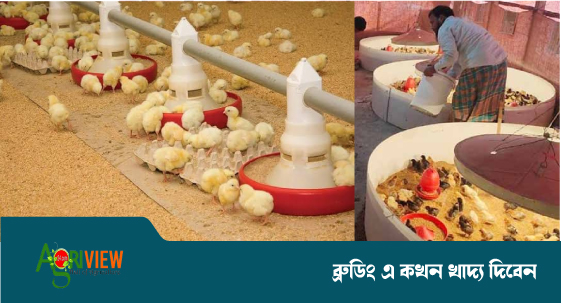
ব্রুডিং এ কখন খাদ্য দিবেন
পোলট্রি

ডাঃ শুভ দত্ত: ব্রয়লার বাচ্চাকে ব্রুডিং এ খাদ্য দেবার সময় নিয়ে আমরা অনেকেই দ্বিধা-দ্বন্দে থাকি। কেউ বলে বাচ্চা ব্রুডারে ছাড়ার ২-৩ ঘন্টা পর খাদ্য দিতে হবে। কেউ বলে ৪ ঘন্টা পর, কেউ বলে ৬ ঘন্টা পর তো কেউ বলে বাচ্চা ব্রুডারে ছাড়ার ১০ ঘন্টা পর খাদ্য দিতে হবে। সবগুলোই হয়তো সঠিক তবে সবচেয়ে বিজ্ঞানসম্মত পদ্ধতি হলো ব্রুডারে বাচ্চা ছাড়ার পূর্বেই খাদ্যের পাত্রে খাদ্য দিয়ে দেয়া যেন বাচ্চার ব্রুডিং শুরু হবার সাথে সাথে খাদ্য খেতে পারে।

ব্রয়লার বাচ্চাকে স্টারভেশনে না রেখে দ্রুত খাদ্য দিয়ে ব্রুডিং করার পিছনে কিছু উপকার আছে যা বিভিন্ন গবেষণায় প্রকাশ পেয়েছে। যেমন, একটি গবেষণায় জানা গেছে, বাচ্চা না খেয়ে থাকলে তার কুসুমথলি ধীরে ধীরে শোষিত হয়। অপরদিকে যে বাচ্চা দ্রুত খাদ্য গ্রহন করে তার কুসুম থলি দ্রুত শোষিত হয় (Moran and Reinhart, 1980)।
অপর এক গবেষণা জানা গেছে, ব্রুডিং এর প্রথমদিকে না খেয়ে থাকা বাচ্চার চেয়ে খাদ্য গ্রহন করা বাচ্চার গাট একটিভিটি অনেক বেশি থাকে। ফলে এই বাচ্চাগুলোর কুসুম থেকে বিভিন্ন নিউট্রিয়েন্ট সহজে ইনটেস্টাইনে প্রবেশ করে। ফলে কুসুমথলি দ্রুত শোষিত হয় ( Noy et. al, 1996)। যা বাচ্চার দৈহিক ওজন বৃদ্ধি ত্বরানিত করে।
একই ধরনের আরেকটি গবেষণায় জানা যায় যে, ব্রুডিংর এর প্রথম দিকে না খেয়ে থাকা বাচ্চা কুসুমথলিতে বিদ্যমান নিউট্রিয়েন্ট সহজে গ্রহন করতে পারে না। উক্ত গবেষণায় বলা হয়, ডায়জেস্টিভ সিস্টেম সক্রিয় হবার সাথে কুসুমথলি শোষিত হওয়া পরস্পর সম্পর্কযুক্ত ( Santos Silversides, 1996)। আর ডায়জেস্টিভ সিস্টেম সক্রিয় হয় যখন থেকে বাচ্চা খাদ্য গ্রহন করতে শুরু করে।
এছাড়াও দেরিতে খাদ্য ও পানি দিলে বাচ্চার ওজন বৃদ্ধি বিশেষ করে ব্রেস্ট মাসল বৃদ্ধিতে নেগেটিভ প্রভাব পরতে পারে (Noy & Skylan, 2001), (Kidd et al, 2007)
দেরিতে খাদ্য ও পানি দিলে বাচ্চার গ্রোথ ৫% পর্যন্ত হ্রাস পেতে পারে (Uni and Ferket, 2004)
দেরিতে খাদ্য ও পানি দিলে বাচ্চার ডায়জেস্টিভ ও ইমিউন সিস্টেম ধীর গতিতে গঠিত ও সক্রিয় হয় (Bhanja et al, 2010)।
দেরিতে খাদ্য ও পানি দিলে ইমিউন সিস্টেমের ম্যাচুরেশন ঠিক মত হয় না। ফলে বাচ্চা প্যাথোজেন দ্বারা সহজেই আক্রান্ত হয় (Dibner et al, 1999)।
এছাড়া বিশ্বের অন্যতম প্রেডিগ্রি প্রডিউসার প্রতিষ্ঠান “এভিয়াজেন” তাদের ব্রিডার ম্যানেজমেন্ট ম্যানুয়ালে চিকস প্লেসমেন্টের সাথে সাথে খাদ্য দেবার বিষয়ে নির্দেশনা দিয়েছেন।
তাছাড়া বেশি দুরত্বের স্থানে বা যেখানে বাচ্চা পৌছাতে অনেক সময় লাগবে এমন স্থানে বাচ্চা ডেলিভারী করার সময় বাচ্চাকে ডিহাইড্রেশন ও স্টারভেশন মুক্ত রাখতে হ্যাচারী থেকেই বাচ্চার বক্সে কিছু বিশেষ ধরনের খাদ্য দিয়ে দেয়া হয় যা বাচ্চাকে দ্রুত খাদ্য দেবার প্রয়োজনীয়তা প্রমাণ করে।
সাধারনত হ্যাচারীতে হ্যাচার থেকে সকাল ৫-৭ টার মাঝে হ্যাচ হওয়া বাচ্চা বের করে আনা হয়। তারপর গ্রেডিং করে বাচ্চাগুলো বক্সে রাখা হয়। সেই বাচ্চা সাধারনত সন্ধ্যার দিকে হ্যাচারী থেকে বিভিন্ন ডিলার পয়েন্টে রওয়ানা হয়। অতঃপর সেই বাচ্চা খামারে পৌছাতে পৌছাতে রাত ১০ টা বেজে যায়। দুরে হ্যাচারী হলে পরের দিন সকাল ১০ টায় বাচ্চা খামারে পৌছে। অর্থাৎ হ্যাচ হবার পর থেকে খামারে পৌছাতে দীর্ঘ ১৮-৩৬ ঘন্টা বাচ্চা না খেয়ে থাকে। এমতাবস্থায় যদি খামারে পৌছার পর বাচ্চাগুলোকে আরো ২-১০ ঘন্টা খাদ্য দেয়া না হয় তবে সেটা যে ভাল ফলাফল বয়ে আনবে না সেটা উপরের গবেষণাগুলো থেকেই বুঝা যাচ্ছে।
সুতরাং বাচ্চা খামারে পৌছার সাথে সাথে খাদ্য ও পানি একসাথে দিয়ে ব্রুডিং শুরু করতে হবে। ব্রুডিং শুরুর পর যত দেরিতে খাদ্য দিবেন আপনার বাচ্চার খাদ্যতন্ত্র তত দেরিতে এ্যকটিভ হবে এবং গ্রোথ পারফরম্যান্স তত খারাপ হতে শুরু করবে।
শেয়ার করুন

প্রকাশ : জুন ৬, ২০২১ ৮:০০ অপরাহ্ন
পোল্ট্রির ডিম, মুরগি ও বাচ্চার রবিবার (০৬ জুন) সর্বশেষ পাইকারি দাম
পোলট্রি

পোল্ট্রি পণ্য (ডিম ও মুরগীর) আজকের পাইকারী মূল্য(টাকা) নিন্মরুপ:-
তারিখ:০৬/০৬/২০২১ ইং

★এখানে বর্ণিত পোল্ট্রি পণ্যের মূল্য মূলত : পোল্ট্রি খামারিদের প্রাপ্ত মূল্য।

ইউনাইটেড এগ(সেল পয়েন্ট)
লাল ডিম=৭.৬০
সাদা ডিম=৬.৬০

ডাম্পিং মার্কেট=
লাল(বাদামী) ডিম=৭.১৫
সাদা ডিম=৬.০৫

গাজীপুর:-
লাল(বাদামী)ডিম=৭.১০
সাদা ডিম=৬.০০
ব্রয়লার মুরগী=১০২/কেজি
কালবার্ড লাল=২০০/কেজি
কালবার্ড সাদা=/কেজি
সোনালী মুরগী=১৬০/কেজি
বাচ্চার দর:-
লেয়ার লাল =২৮-৩০
লেয়ার সাদা=
ব্রয়লার=২০-২২

ডায়মন্ডঃ-
লাল(বাদামী) বড় ডিম=
লাল(বাদামী) মাঝারি ডিম=

চট্টগ্রাম:-
লাল(বাদামী) ডিম=৭.২০
সাদা ডিম=৬.৮০
ব্রয়লার মুরগী=১০২/কেজি
কালবার্ড লাল=২০০/কেজি
সোনালী মুরগী=১৭৫/কেজি
বাচ্চার দর:-
লেয়ার লাল=২৭
লেয়ার সাদা=১৬
ব্রয়লার=২০

রাজশাহী:-
লাল(বাদামী) ডিম=৭.৩০
সাদা ডিম=৬.০০
ব্রয়লার মুরগী =/কেজি
সোনালী =/কেজি

খুলনা:-
লাল(বাদামী) ডিম=৭.৮০
সাদা ডিম=

বরিশাল:-
লাল(বাদামী) ডিম=৭.০০
ব্রয়লার মুরগী=১১০/কেজি
কালবার্ড লাল=২১০/কেজি
সোনালী মুরগী=১৬০/কেজি
বাচ্চার দর:-
লেয়ার লাল =৩০
লেয়ার সাদা =
ব্রয়লার=১৮-২২

ময়মনসিংহ:-
লাল(বাদামী) ডিম=৭.১০
ব্রয়লার মুরগী=১০০/কেজি
সোনালী মুরগী=১৬০/কেজি

সিলেট=
লাল(বাদামী) ডিম=৭.২৫
ব্রয়লার মুরগী=/কেজি
কাজী(সিলেট) :-
লাল(বাদামী) ডিম=৭.৪৬

রংপুর:-
লাল(বাদামী) ডিম=৭.৩০
কাজী(রংপুর) :-
লাল(বাদামী) ডিম=৭.২৫
বাচ্চার দর:-
লেয়ার লাল =৩০
ব্রয়লার=২২
সোনালী হাইব্রিড=১৫
সোনালী রেগুলার=০৯

বগুড়া :
লাল(বাদামী)ডিম=৭.২৫
ব্রয়লার মুরগী=১০৫/কেজি
সোনালী মুরগী =১৬০/কেজি

টাংগাইল :-
লাল(বাদামী) ডিম=৭.০৫
সাদা ডিম=৫.৮৫
ব্রয়লার মুরগী=/কেজি
সোনালী মুরগী =/কেজি

কিশোরগঞ্জ:-
লাল(বাদামী) ডিম=৭.০৫
ব্রয়লার মুরগী=/কেজি

নরসিংদী :-
লাল(বাদামী) ডিম=৭.০৫

সিরাজগঞ্জ :-
লাল(বাদামী) ডিম=৭.২০
ব্রয়লার মুরগী=৯৫/কেজি
কালবার্ড লাল=২১০/কেজি
সোনালী মুরগী=১৫০/কেজি

ফরিদপুর :-
লাল(বাদামী) ডিম=৭.৩৫
কাজী(ফরিদপুর) :-
লাল(বাদামী) ডিম=৭.৫৫
ব্রয়লার মুরগী=১০৫/কেজি
লেয়ার মুরগী=২০০/কেজি
সোনালী মুরগী=/কেজি

পাবনা :-
লাল(বাদামী)ডিম=৭.১০
সাদা ডিম=৬.৮০

নোয়াখালী:-
লাল(বাদামী)ডিম=৭.৩০
ব্রয়লার মুরগী=১০৫/কেজি
কালবার্ড লাল=১৯০/কেজি
সোনালী মুরগী=১৬০/কেজি
বাচ্চার দর:-
লেয়ার লাল =৩০
লেয়ার সাদা =
ব্রয়লার=১৮-২১

পিরোজপুর (স্বরুপকাঠী:-
লাল(বাদামী) ডিম=৭.০০
সাদা ডিম=
ব্রয়লার মুরগী =/কেজি

যশোর :-
লাল(বাদামী) ডিম=৮.০০

কুমিল্লা:-
লাল (বাদামী) ডিম=৭.১০
ব্রয়লার মুরগী=১০৫/ কেজি
কালবার্ড লাল=১৯০/কেজি
সোনালী মুরগী=১৬০/কেজি

কক্সবাজার :-
লাল (বাদামী) ডিম=৬.৫০
সাদা ডিম=৫.৬০

একটি যৌথ উদ্যোগ: বাংলাদেশ পোল্ট্রি খামার রক্ষা জাতীয় পরিষদ (বি.পি.কে.আর.জে.পি) এবং পোল্ট্রি প্রফেশনাল’স বাংলাদেশ(পিপিবি)।

ধন্যবাদান্তে
মো:শিমুল হক রানা
যোগাযোগ:০১৮৫৫৯৪৪২৭০

গতকালকের বাজার দর জানতে ক্লিক করুন এখানে

শেয়ার করুন

বিজ্ঞাপন

ads

বিজ্ঞাপন

ads

বিজ্ঞাপন

ads

বিজ্ঞাপন

ads

বিজ্ঞাপন

ads

বিজ্ঞাপন

বিজ্ঞাপন

ads

ফেসবুকে আমাদের দেখুন

ads

মুক্তমঞ্চ

scrolltop